Waterproofing
Terrace Waterproofing Before the Monsoon: A Checklist for Delhi NCR Homes
In short
- Inspect your terrace in April–May, before the monsoon reaches Delhi NCR in late June.
- Blocked outlets, cracked parapet joints and hollow tiles cause more leaks than the slab itself.
- Fix the cause first, then choose a system: PU coating, APP membrane or liquid membrane.
Every year the first heavy shower brings the same calls: a damp patch on the top-floor ceiling, peeling paint near the window, water dripping from a light fitting. By then the water has usually been finding its way in for weeks. The good news is that most terrace leaks are predictable, and a few hours of inspection before the monsoon can save a season of damage.
Warning signs inside the house
- Damp patches or rings on the top-floor ceiling
- Paint bubbling or flaking near the roof line
- White salt deposits (efflorescence) on walls
- Musty smell in upper rooms
- Rust stains around ceiling fans or lights
- Cracks in plaster that grow after rain
The 8-point terrace checklist
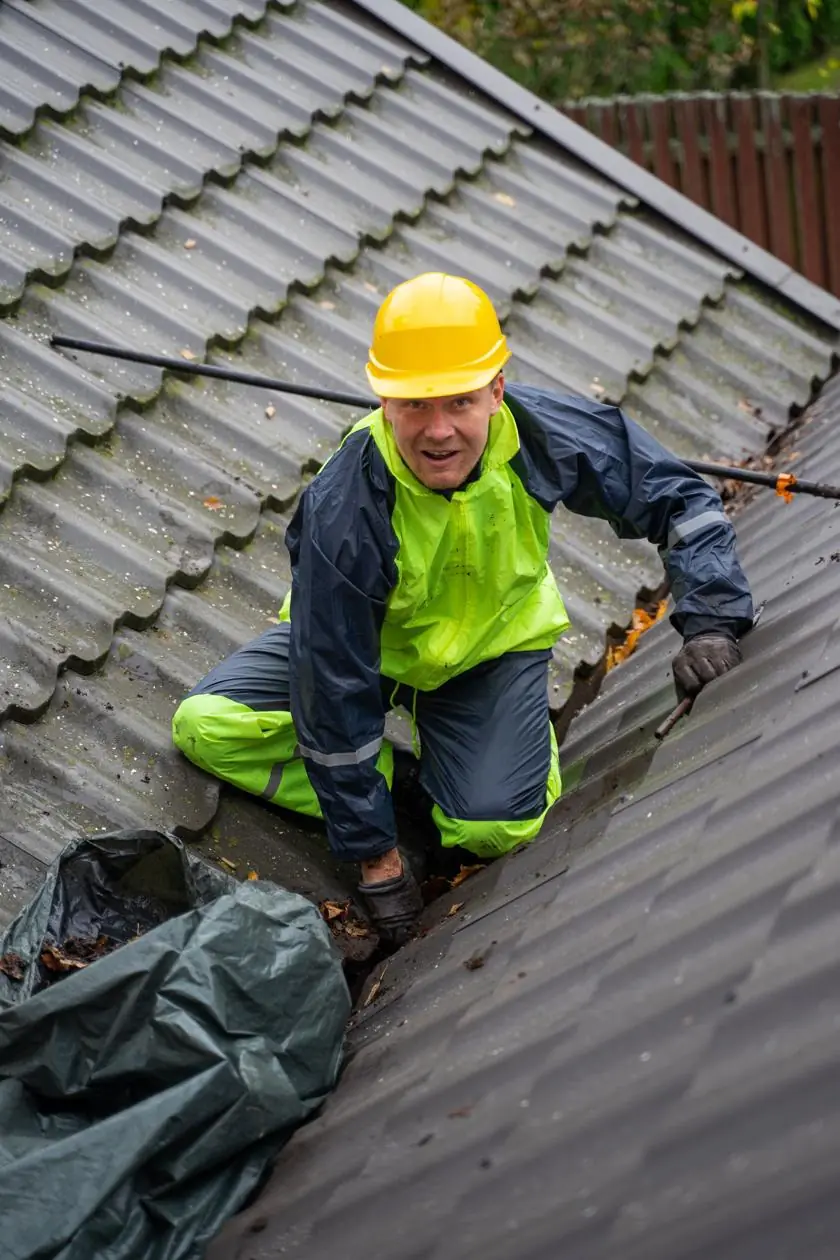
- Clear every outlet and rainwater pipeLeaves, plastic and silt block outlets and turn the terrace into a pond. Standing water finds the smallest crack.
- Check the slopeAfter rain, water should drain within a few hours. Puddles that stay for a day mean the slope needs correcting.
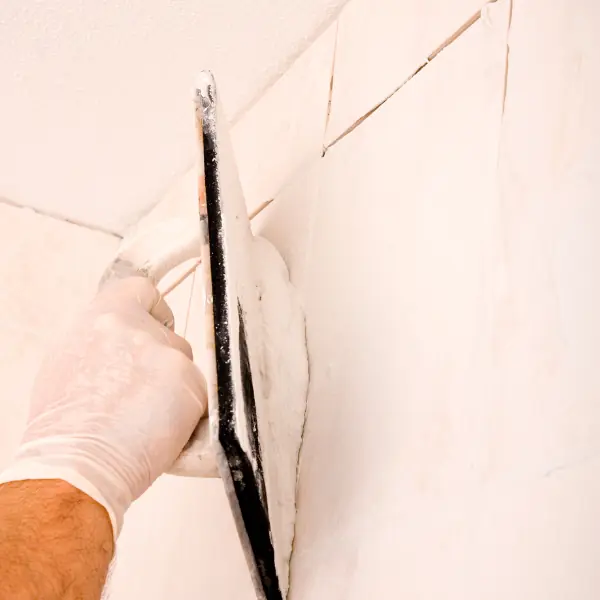
- Inspect parapet-to-floor jointsThe corner where the wall meets the floor moves with heat and is the most common entry point.
- Tap the tilesHollow-sounding tiles have lost their bond; water travels underneath them.
- Look at pipe penetrationsSolar heater legs, tank stands, AC pipes and cable entries need proper sealing collars.
- Check the water tank areaOverflowing tanks and leaking valves soak the same patch of roof every day.
- Note cracks in screed or plasterHairline cracks can be bridged; wide or moving cracks need repair first.
- Look at the existing coatingChalking, peeling or blistering means it has reached the end of its life.
Which system should you choose?
The right choice depends on whether the terrace is exposed to sun, used for walking or will be tiled over.
| Your terrace | Usually suits | Why |
|---|---|---|
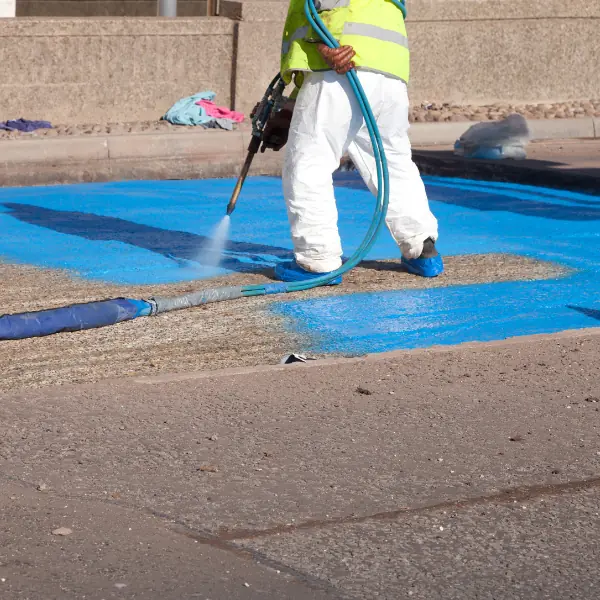
| Exposed, not tiled | PU coating (UV grade) | Seamless, elastic, handles direct sun |
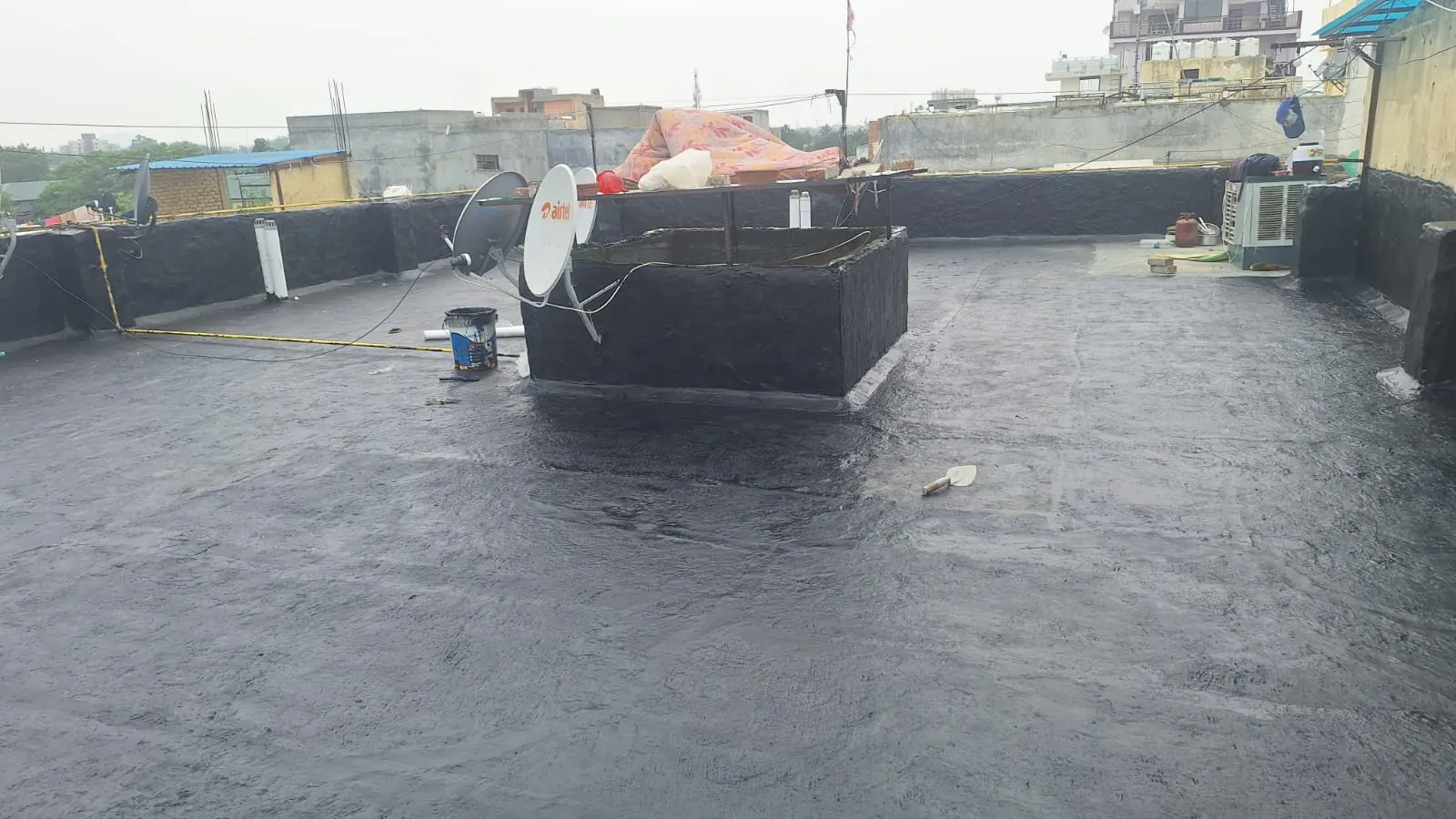
| Large flat roof | APP membrane | Uniform factory thickness, proven on big areas |
| To be tiled or screeded | Liquid membrane or cementitious | Bonds well under finishes |
| Hot top floor | Waterproofing + heat insulation | One job, cooler rooms below |
Do it once, do it right
A new coat over a failed layer rarely lasts. Proper waterproofing starts with removing loose material, repairing cracks, rounding the corners and fixing the slope, then applying the system to the specified thickness and testing it with standing water before it is covered.
PCES is a member of the Waterproofing Association of India. We find the cause before we quote.