Waterproofing
PU Coating vs APP Membrane vs Liquid Membrane: Which Roof Waterproofing Is Right?
In short
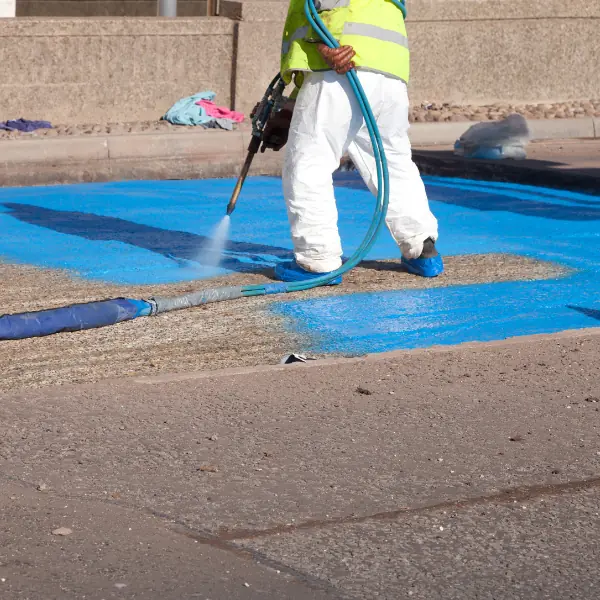
- PU coating: seamless and elastic; best for exposed roofs with lots of detail.
- APP membrane: factory-made sheets with uniform thickness; best for large flat roofs.
- Liquid membrane: versatile coating; best under tiles, on balconies and wet areas.
Ask three contractors how to waterproof a roof and you may hear three different answers. Each of these systems works well in the right place. The problems start when a system is chosen for its price rather than for the roof it is going on.
How each system works
PU (polyurethane) coating
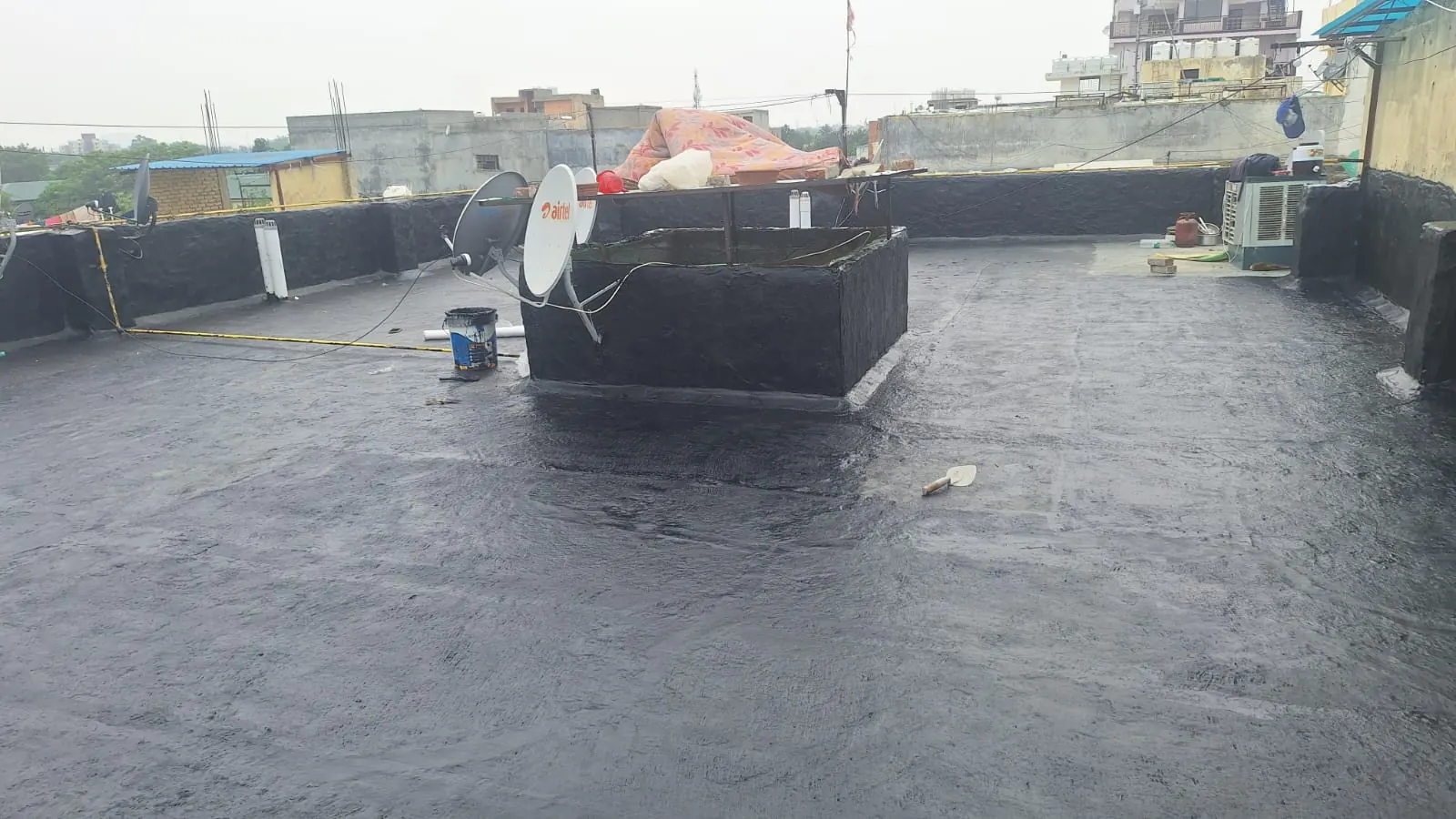
Applied as a liquid in two or more coats, it cures into a continuous rubber-like membrane that stretches as the slab expands and contracts. UV-stable grades can be left exposed to the sun.
APP membrane (APP roof treatment)
Atactic polypropylene modified bitumen is supplied in rolls, torched onto a primed slab and heat-welded at the overlaps. Because it is made in a factory, its thickness is consistent across the whole roof.
When people ask for "APP roof treatment", this is what they mean: the roof is cleaned and repaired, primed, and the APP rolls are torch-bonded with overlapping joints, then finished with a mineral-coated top layer or a protective screed. Upstands at parapets and outlets are dressed with extra layers. See our APP and HDPE membrane page, including a video of the torching.
Liquid membrane
Acrylic, polymer or bitumen-based coatings applied by brush, roller or spray. They are simple to detail around pipes and corners and are widely used under tiles and screed.
Side-by-side comparison
| PU coating | APP membrane | Liquid membrane | |
|---|---|---|---|
| Joints | None | Welded overlaps | None |
| Thickness control | Depends on applicator | Uniform | Depends on applicator |
| Exposed to sun | Yes (UV grade) | Yes (mineral finish) | Some grades |
| Complex roofs, many pipes | Excellent | Harder to detail | Excellent |
| Under tiles | Possible | With screed | Excellent |
| Typical use | Exposed terraces | Large commercial roofs | Balconies, wet areas, tiled terraces |
Questions to ask your contractor
- What is causing the leak, and how did you find it?
- What thickness will be applied, and how will it be checked?
- How will corners, outlets and pipe penetrations be detailed?
- Will the roof be ponding-tested before it is covered?
- What warranty is offered, and what does it cover?
We inspect, explain the options in plain language and give a written recommendation.