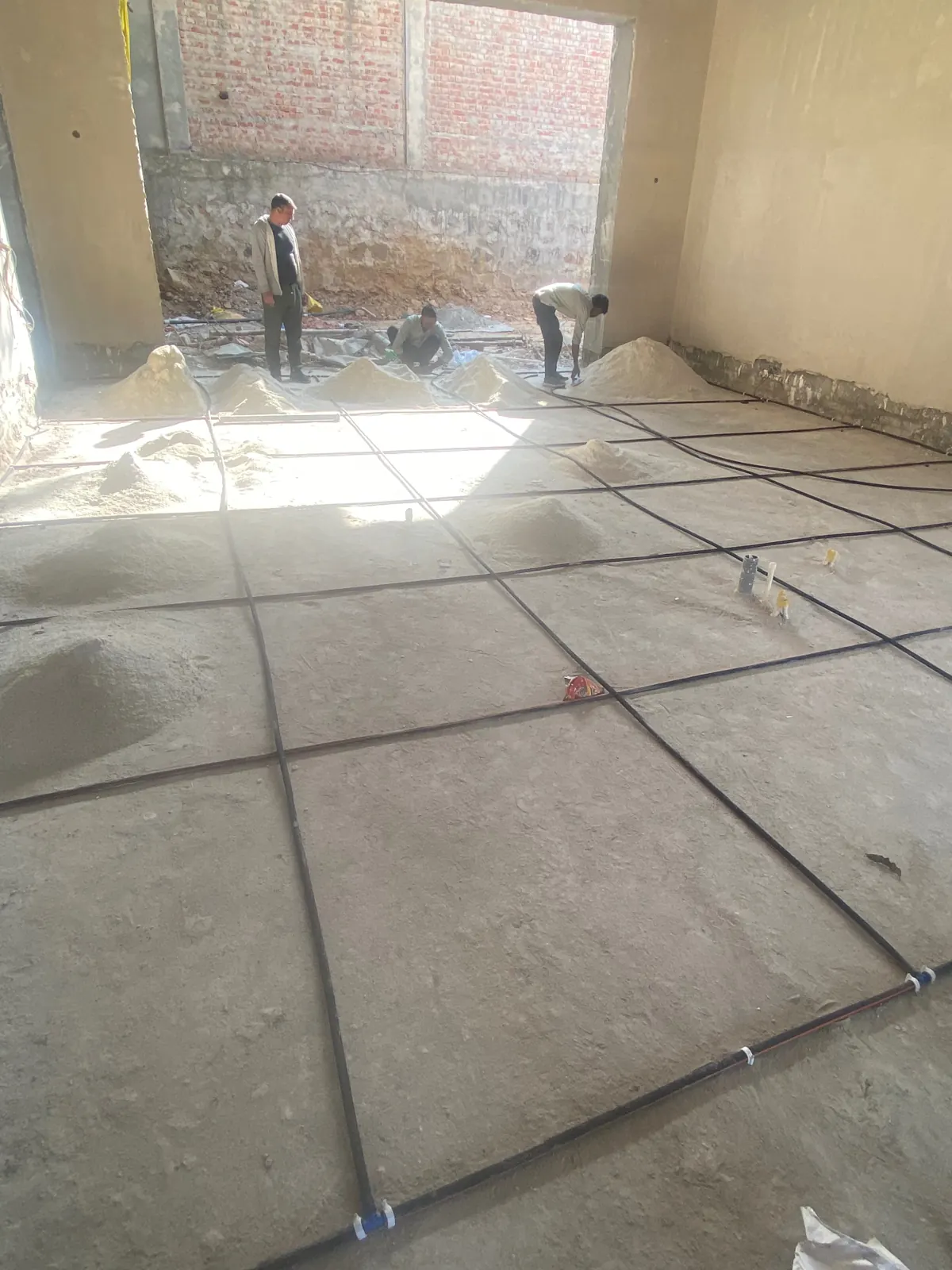
How termite piping works
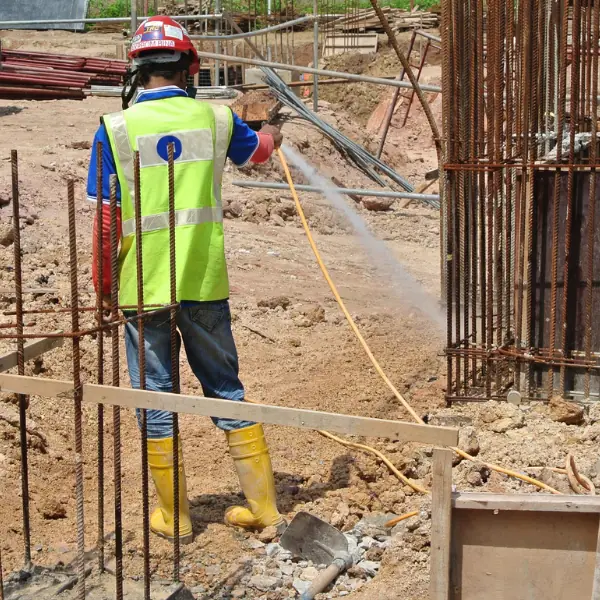
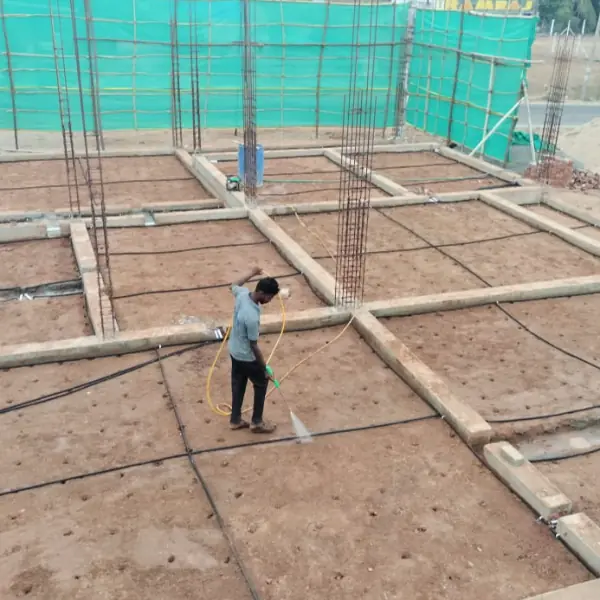
Perforated pipes are laid along the inner and outer edges of walls and under floor areas, then connected to discreet refill points. After the floor is finished, termiticide can be pumped through the network to recharge the soil barrier at any time.
- LayoutWe plan the pipe route from your floor plan and agree refill point locations.
- InstallationPipes are fixed in place on the prepared surface before the flooring bed is laid.
- Initial chargeThe system is charged with termiticide and tested for flow.
- Future refillsRecharge on a schedule or whenever activity appears, with no drilling or tile damage.
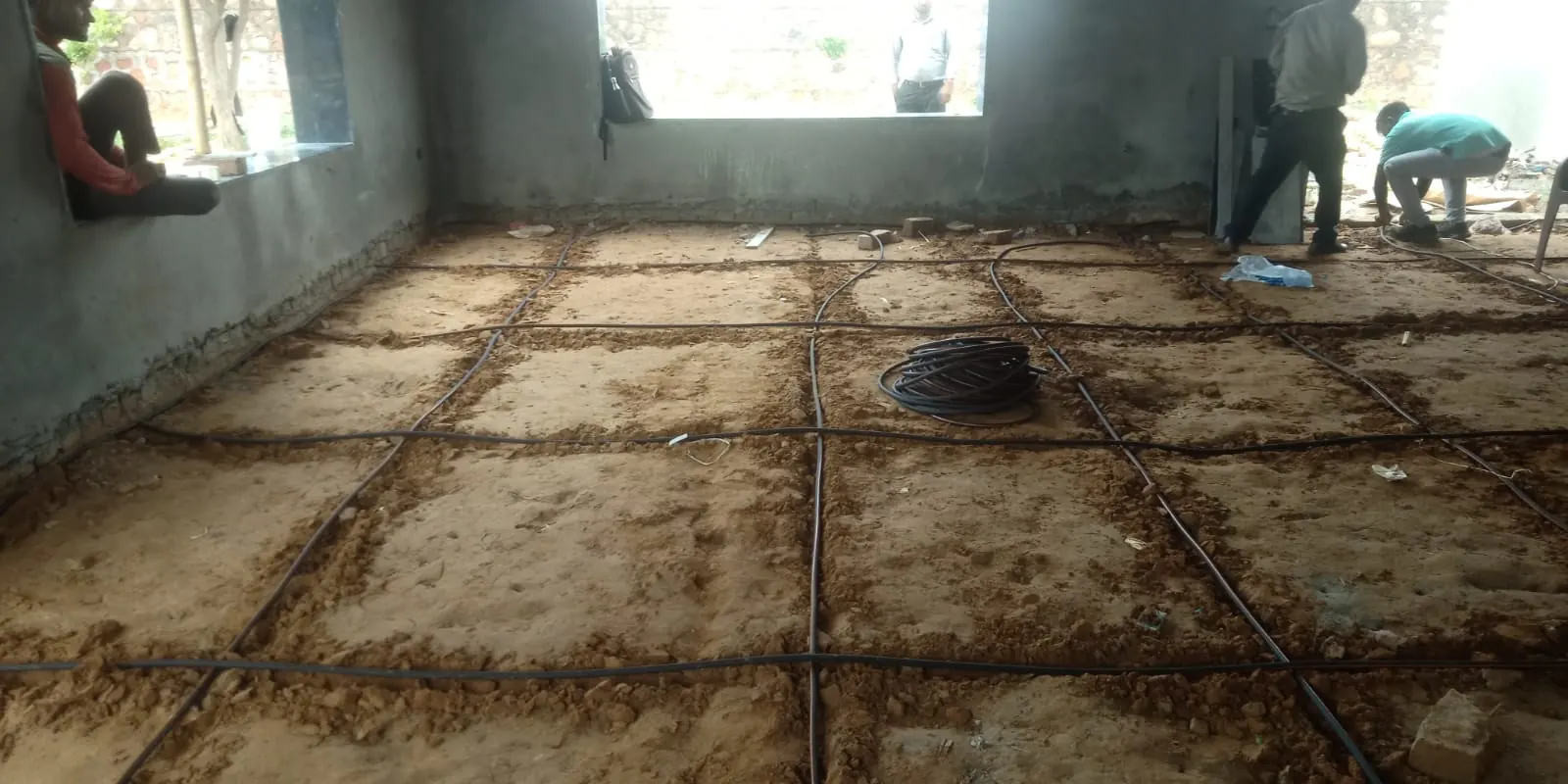
Also known as
Builders, architects and consultants use different names for the same system: anti-termite piping, termite piping or termi-piping, an anti-termite pipe system, a termite reticulation system (the name used in Australia, where the method is common), or simply a perforated or porous pipe system for termite treatment. They all describe the same thing: a network of pipes under the floor that carries termiticide to the soil through refill points.
Piping or a one-time soil treatment?
Piping does not replace pre-construction soil treatment. The soil is still treated in stages during construction, as IS 6313 Part 2 requires. Termiticide in the soil slowly breaks down over the years, and the piping is what lets you renew that barrier later without lifting the floor. Buildings that were finished without pipes are treated by drill-fill-seal instead.
Best for
- Villas and builder floors
- Wooden flooring and premium finishes
- Offices and showrooms
- Floor renovation projects
Planning a project in Gurgaon? See anti-termite treatment in Gurgaon, or read our guide to IS 6313.