Waterproofing
Damp Walls and Seepage: Causes, Warning Signs and Lasting Fixes
In short
- Damp has four common sources: the roof, the ground, pipes and condensation.
- The pattern of the stain usually tells you which one it is.
- Damp is a health issue too: it feeds mould, dust mites and cockroaches.
A damp wall is more than a cosmetic problem. Persistent moisture weakens plaster, corrodes steel in concrete and creates conditions for mould, which affects indoor air quality and can trigger allergies. It also attracts cockroaches, silverfish and termites. Treating damp is part of keeping a building healthy.
Read the stain
| What you see | Likely cause | Typical fix |
|---|---|---|
| Tide mark up to about 1 m from the floor, salt deposits | Rising damp from the ground | Damp-proof treatment, injection |
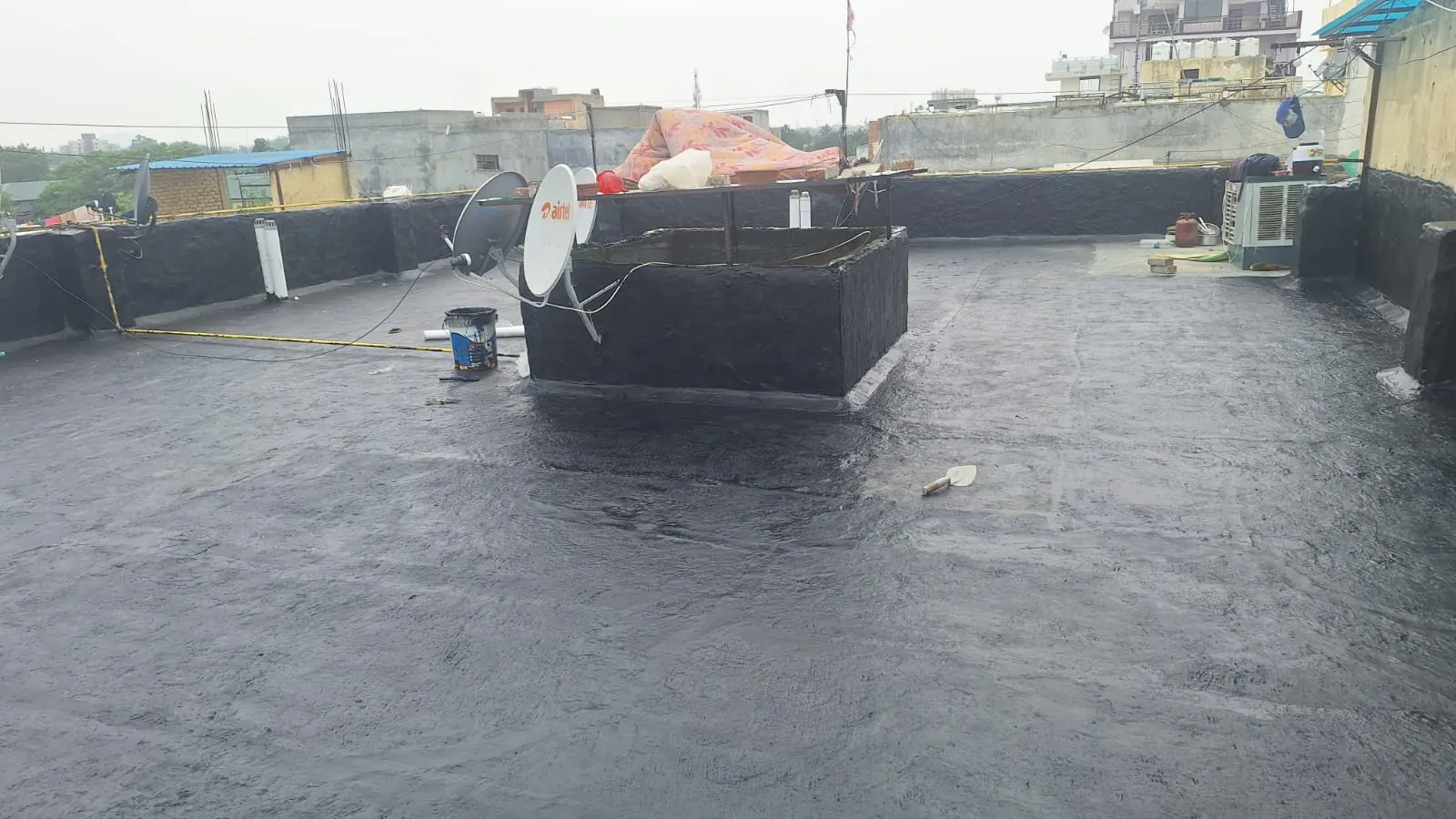
| Patches on top-floor ceilings after rain | Roof or terrace leak | Roof waterproofing |
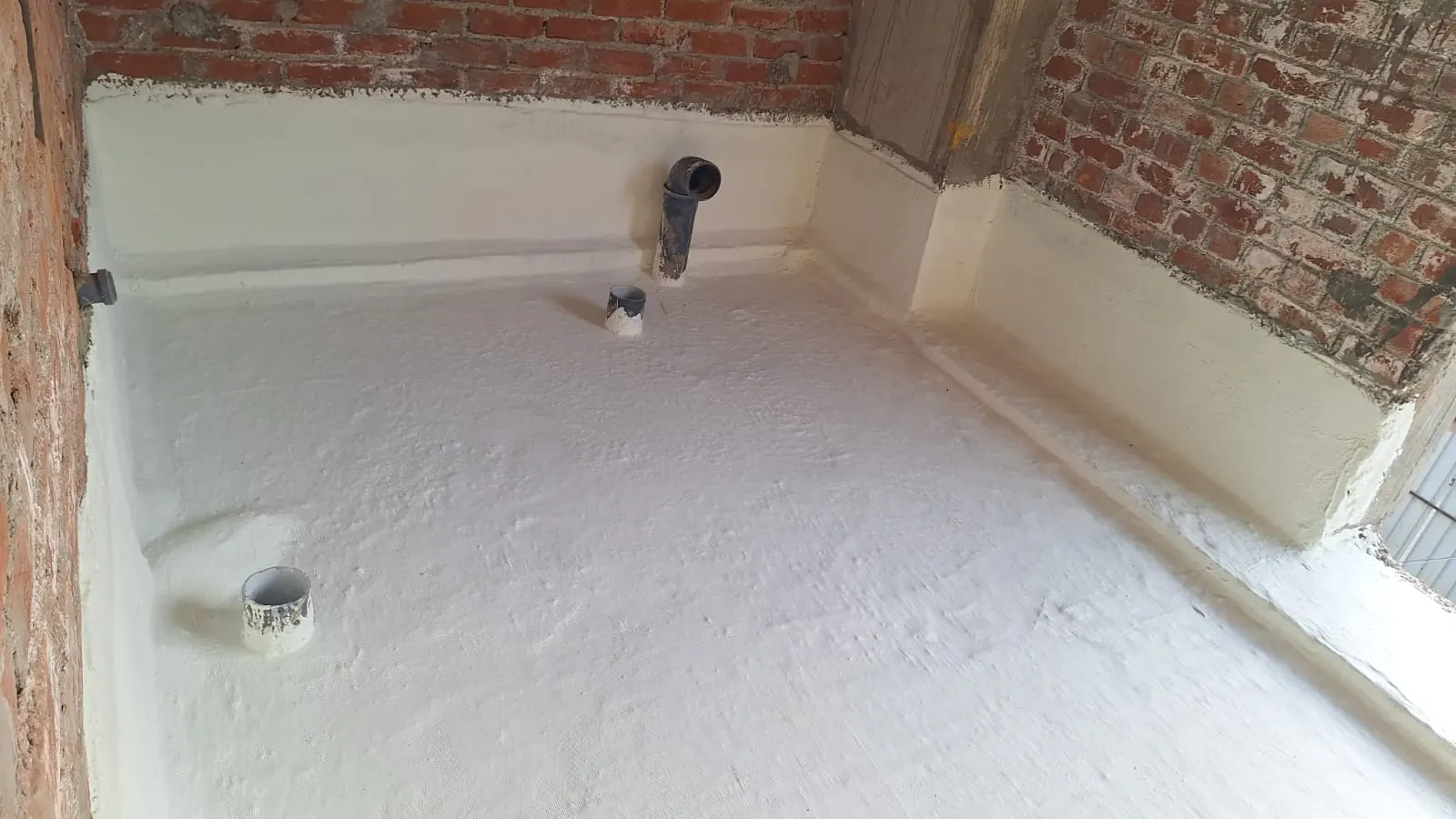
| Damp next to a bathroom or kitchen | Failed wet-area waterproofing or tile joints | Epoxy grouting or re-waterproofing |
| Wet patch that stays the same in all seasons | Concealed pipe leak | Locate and repair the pipe |
| Basement walls weeping water | Groundwater pressure through cracks | PU or injection grouting |
| Black spots on cold walls, worse in winter | Condensation | Ventilation, insulation |
Why repainting does not work
Paint, putty and even "waterproof" wall coatings trap moisture behind them. Within weeks the paint bubbles and the salts push through again. The water path has to be cut off at its source.
Fix the water path, not the paint.
How we diagnose damp
- Visual surveyPattern, height and timing of the damp, inside and outside.
- Moisture readingsTo map where the wall is wettest.
- Check the usual suspectsRoof outlets, wet areas above, external cracks, plumbing.
- Recommend one fixMatched to the cause, with a clear scope and warranty terms.
Damp wall that keeps coming back?
Send us photos on WhatsApp for a first opinion, or book an inspection.