Heat insulation
How to Keep Your Top Floor Cool: Roof Heat Insulation Explained
In short
- Concrete roofs absorb heat all day and radiate it into top-floor rooms at night.
- XPS boards, PUF spray and vermiculite screed each suit different roofs.
- Insulate together with waterproofing, as one job, for the best result.
In a Delhi NCR summer, a roof slab can become far hotter than the air around it. That stored heat keeps flowing into the rooms below long after sunset, which is why top floors stay warm at midnight and air-conditioners run hardest there.
Three ways to insulate a roof
| System | What it is | Best for |
|---|---|---|
| XPS boards | Rigid, closed-cell extruded polystyrene boards under screed or tiles | Terraces that people use |
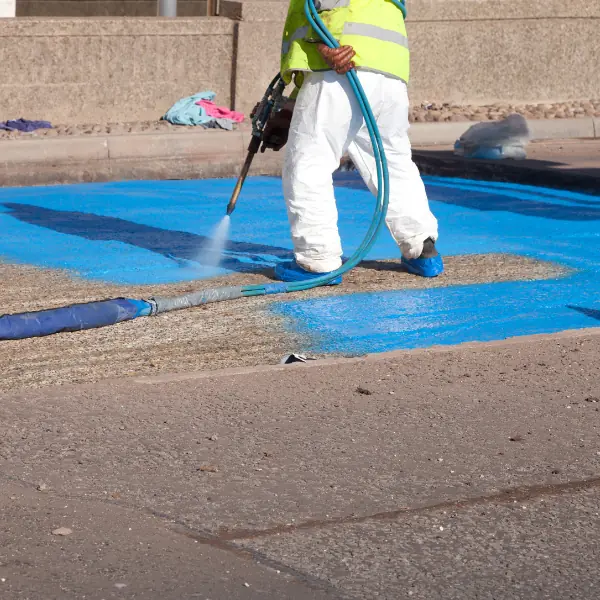
| PUF spray | Polyurethane foam sprayed in place, then coated | Industrial sheds, metal and irregular roofs |
| Vermiculite screed | Lightweight insulating screed laid to falls | Roofs that also need slope correction |
Why insulation and waterproofing belong together
Insulation needs a dry, sound roof beneath or above it, depending on the system. If the roof leaks, wet insulation stops working. Planning both as one job, with one contractor responsible, avoids gaps between trades.
One roof, one contractor, one warranty conversation.
Other quick wins
- Light-coloured, reflective top coats reduce surface temperature.
- Shade from solar panels or pergolas helps where possible.
- Sealing gaps around AC pipes keeps cool air in.
Hot top floor?
We will inspect the roof and recommend insulation with the right waterproofing.